Docosahexaenoic acid (DHA) is an essential long-chain omega-3 unsaturated fatty acid that plays a key role in the development of the structure and normal function of the nervous system, particularly in infants and children.
The accumulation of this fatty acid, along with other fatty acids, in the brain accelerates the growth and development of brain tissue in infants. Since the body has limited ability to produce these essential fatty acids, obtaining them through food and supplements is effective in supporting the development and maintaining the health of the nervous system and vision in infants and young children.
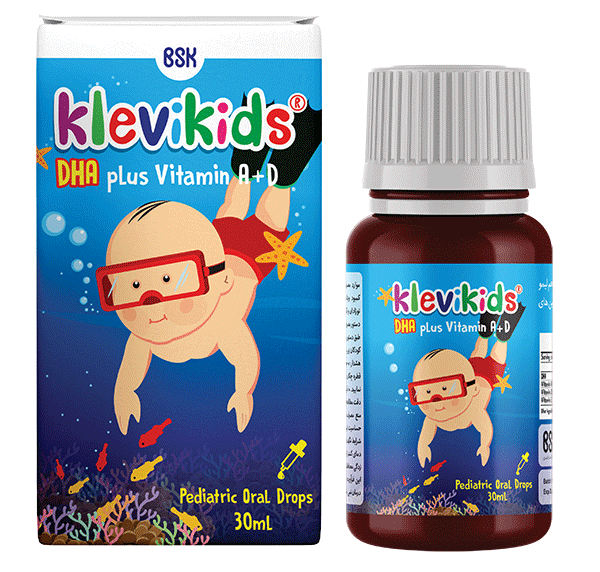
Clevikids® is a 30 ml lemon-flavored oral drop.
Due to Klow Kids’ unique formulation, one of its features is the reduced fishy smell and taste from the DHA fatty acid, making it easy for infants and children to consume. Klow Kids supports the growth and development of the nervous system and vision, as well as maintaining dental health in infants and children.

No fishy smell or taste
Essential omega-3 fatty acid derivatives
Maintains immune, vision, and bone health
Provides daily requirements and prevents deficiencies of vitamins A, D, E, and the fatty acid DHA
Supports the development of the nervous system and brain tissue growth
Enhances visual acuity and retinal function
Aids in the growth of bones and teeth
Maintains cardiovascular health
In each milliliter:
| Docosahexaenoic acid (DHA) | 40 mg |
| VitaminA | 1500 International Units (IU) |
| VitaminD3 | 600 International Units (IU) |
| VitaminE | 10 International Units (IU) |
This product is free of gluten, dyes, and alcohol.
One milliliter daily or as directed by a doctor.
30 ml oral drops with graduated dropper along with patient information leaflet
Fatty acids are the building blocks of body lipids (fats) and are chemically classified into saturated and unsaturated types. The two main categories of unsaturated fatty acids are omega-3 and omega-6 fatty acids, which are beneficial for overall health.
Omega-3 fatty acids come in various forms, with the three primary types in the diet being eicosapentaenoic acid (EPA), docosahexaenoic acid (DHA), and alpha-linolenic acid (ALA).
DHA is a long-chain omega-3 found in salmon, tuna, sardines, shellfish, and in plant-based oilseeds such as flaxseed, chia, and walnuts.
DHA is a key component of cell phospholipid membranes and plays a critical role in the development and normal function of the brain and retina. It is especially important for the growth and development of certain brain regions and the retina from the third trimester of pregnancy up to three years of age.
Vitamin E is a powerful antioxidant, protecting body cells from damage and supporting immune system function.
Another essential fat-soluble vitamin for growth, development, vision maintenance, and immune support is vitamin A. Its deficiency can lead to reduced resistance to infections, night blindness, and slowed growth.
Calcium is essential for maintaining bone health throughout life and works in conjunction with vitamin D, which facilitates calcium absorption in the intestines. Due to physiological growth needs and low vitamin D levels in breast milk, infants and children have a high requirement for vitamin D, and deficiency is common during this period. Severe vitamin D3 deficiency in children can cause rickets, while in adults it leads to osteomalacia. In adults and the elderly, low vitamin D3 levels are directly associated with an increased risk of bone fractures and osteoporosis. Vitamin D3 also supports immune system function, muscle activity, reduces the risk of various cancers, autoimmune diseases such as multiple sclerosis, prevents cardiovascular diseases (congestive heart failure and high blood pressure), and lowers the likelihood of developing diabetes and hyperlipidemia (high blood lipids).
No side effects have been observed at therapeutic doses.
DHA has no side effects up to a dose of 3 grams, and the most common side effects are fishy taste, dry mouth, belching, loose stools, and loss of appetite.
This product has no specific drug interactions for pediatric use.
However, due to its vitamin D content, it may generally interact with other products containing vitamin D and calcium, thiazide diuretics, digoxin, anticonvulsants such as carbamazepine, phenobarbital, or phenytoin, cholestyramine, and paraffin. Additionally, because it contains DHA, it may interact with blood pressure- and blood sugar-lowering medications as well as anticoagulants. Therefore, consult your physician or pharmacist if taking any of these medications concurrently.
During the use of this product, the intake of fortified foods, dietary supplements, and other concurrently prescribed medications should be evaluated for vitamins A, D, and E to prevent vitamin toxicity.
If you have liver, kidney, or heart disease, hyperparathyroidism, bleeding disorders, are undergoing chemotherapy, or are planning surgery, consult your physician or pharmacist regarding the use of this product.
Use the product according to your physician’s instructions or the recommended amounts and avoid exceeding the suggested dosage.
To ensure the correct and precise dosage, use the graduated dropper included in the package.
In case of any severe side effects (especially hypercalcemia) or signs of allergy, discontinue the product and inform your physician.
Due to the presence of vitamin D in this product, avoid using this product if you have hypercalcemia (high serum calcium), metastatic calcification, evidence of vitamin D toxicity, malabsorption syndrome, abnormal sensitivity to vitamin D, and decreased kidney function.
Although this product is produced for consumption by infants and children, it is safe to use during pregnancy and breastfeeding, given the dosage of DHA and its vitamins.
Store at a temperature below 25°C and away from light, moisture, frost and the reach of children.