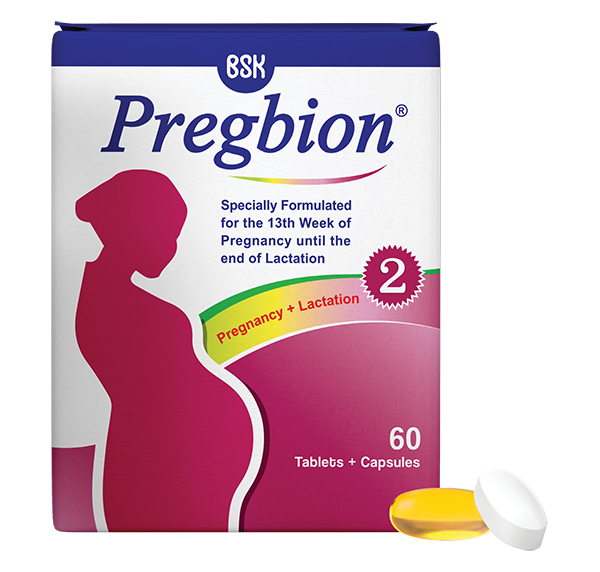
Due to the increased nutritional needs of mothers during pregnancy and breastfeeding, supplying essential minerals for fetal growth and development is crucial. Docosahexaenoic acid (DHA) in the third trimester supports the growth and development of the fetal brain, as the highest concentrations of DHA are found in the gray matter of the brain and the retina. Pregnant women have the highest metabolism during pregnancy, producing more free radicals. Low vitamin E levels increase free radicals, accelerating placental aging and raising the risk of high blood pressure during pregnancy. Pergbion®2 is suitable from the fourth month until the end of pregnancy and throughout breastfeeding. This supplement, in addition to providing essential vitamins and minerals for this period, contains DHA and vitamin E capsules to support maternal and fetal health. Pergbion®2 includes both tablets and capsules for pregnant and breastfeeding mothers.

Providing essential fatty acids for fetal neural development.
Meeting vitamin and essential mineral needs from the thirteenth week until the end of pregnancy
Maintaining the health of mother and baby during breastfeeding
Helping to improve and maintain the health of the mother and fetus
Improving the normal development of the brain and visual system of the fetus and newborn
Improving growth and preventing disorders in fetal formation
Each tablet contains
| Folic acid | 200 micrograms |
|---|---|
| Folic acid | 200 micrograms |
| L-methylfolate | 208 micrograms |
| Iodine | 150 micrograms |
| Vitamin B1 | 1.2 mg |
| Vitamin B2 | 1.6 mg |
| Vitamin B5 | 6 mg |
| Vitamin B6 | 1.9 mg |
| Vitamin B12 | 3.5 mg |
| Vitamin E | 19.5 mg |
| Biotin | 60 micrograms |
| Niacin | 15 mg |
| Vitamin C | 110 mg |
| Docosahexaenoic acid | 200 mg |
| Vitamin E | 18 mg |
Each capsule contains
| Folic acid | 200 micrograms |
|---|---|
| Docosahexaenoic acid | 200 mg |
| Vitamin E | 18 mg |
One tablet and one capsule daily from the 13th week of pregnancy until the end of breastfeeding or as directed by a doctor.
Each box contains 30 tablets and 30 capsules along with a patient information leaflet.
Due to the need to provide nutrients for fetal growth and development, nutrient requirements increase during pregnancy. Meeting the mother's total nutrient needs through diet alone is unlikely, and an easy way to fulfill these needs is through supplement intake.
There are two main categories of polyunsaturated fatty acids (PUFAs): omega-3 and omega-6 fatty acids. The three main dietary omega-3s are eicosapentaenoic acid (EPA), docosahexaenoic acid (DHA), and alpha-linolenic acid (ALA).
Docosahexaenoic acid (DHA) is incorporated into the rapidly growing fetal brain during the third trimester of pregnancy and is concentrated in the gray matter and retinal membrane. Rapid accumulation of DHA in the central nervous system increases during the first 24 months of life and continues throughout childhood.
It is hypothesized that ensuring adequate maternal intake of marine omega-3 fatty acids during pregnancy may reduce inflammation-related disorders such as preterm birth, preeclampsia (pregnancy-induced hypertension with symptoms including nausea, vomiting, severe headache, blurred vision, etc.), and allergic diseases in offspring.
Iodine:
In early pregnancy, the fetus is entirely dependent on maternal thyroxine for normal brain development. Adequate iodine intake during pregnancy is essential for maternal thyroxine production and fetal thyroid function.
Iodine deficiency during pregnancy results in insufficient thyroid hormone production, causing irreversible fetal brain damage. Therefore, the American Thyroid Association recommends that women take a daily supplement containing 150 micrograms of iodine during pregnancy. Additionally, sufficient iodine intake before pregnancy is necessary to ensure adequate thyroid stores.
Folic Acid:
Folic acid (folate) deficiency during pregnancy is associated with multiple issues, including low birth weight, miscarriage, and neural tube defects in the fetus. Supplementation with folic acid during pregnancy helps prevent these disorders, and intake before pregnancy is also recommended to prevent neural tube defects.
B Vitamins:
Even mild maternal vitamin B12 deficiency can slow fetal growth and development and may cause permanent brain effects in the child. Low maternal blood levels of this vitamin are also linked to an increased risk of recurrent early pregnancy loss.
B vitamin deficiency before pregnancy increases the risk of preterm birth, and deficiency during pregnancy may lead to low birth weight in newborns.
Vitamin C:
This vitamin crosses the placenta, and the requirement increases during pregnancy. Vitamin C acts as an antioxidant, protecting tissues against free radicals. Low antioxidant levels in the body lead to oxidative stress, which is a cause of some pregnancy complications, such as preeclampsia.
Studies have shown that vitamin C supplementation can address one of the common factors of infertility, suggesting that intake before pregnancy may also enhance fertility.
Vitamin E:
Vitamin E has shown positive effects as an antioxidant in addressing reproductive issues and is recommended for women, especially those of reproductive age, to take regularly.
Severe allergic reactions to this product are rare, and symptoms may include skin rashes, redness and inflammation, itching, weakness, and bronchospasm. Other side effects may include diarrhea, nausea, vomiting, metallic taste in the mouth, heartburn, abdominal pain, hives, fatigue, drowsiness, insomnia, headache, runny nose, blurred vision, and hot flashes.
Iodine interacts with lithium, amiodarone, and antithyroid drugs, as these medications alter iodine levels.
Folic acid interacts with methotrexate, phenobarbital, pyrimethamine, and primethamine.
DHA interacts with anticoagulants (reducing their effect and increasing the risk of bleeding), antidiabetic drugs (raising fasting blood glucose in diabetic individuals), and antihypertensive drugs (enhancing their effect).
Vitamin E interacts with anticoagulants, increasing the risk of bleeding.
If taken concurrently with other products, consult your doctor or pharmacist before use.
If you have an autoimmune thyroid disease, consult your doctor before using this product.
Do not use this product if any of the following apply:
* Allergy to any of the ingredients in the product.
* Taking medications for hyperthyroidism, including methimazole, propylthiouracil, potassium iodide, or radioactive iodine (sodium iodide I-131).
It is recommended to use this product from the fourth month (13th week) of pregnancy until the end of breastfeeding.
Store at a temperature below 25°C, away from light and moisture, and out of reach of children.