Severe vitamin D deficiency leads to impaired calcium and phosphorus absorption, and calcium supplements will not be effective in treating osteoporosis without sufficient vitamin D. In children, severe vitamin D3 deficiency causes rickets, while in adults it leads to osteomalacia. Low levels of this vitamin in adults and the elderly are associated with a higher risk of bone fractures and osteoporosis.
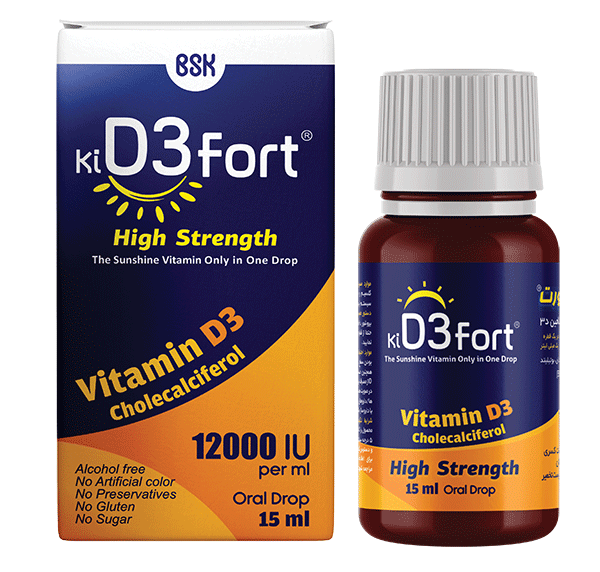
Kid3 Forte®15 ml oral drops are free of color, odor, taste, and gluten.
Due to the drop dosage form of the therapeutic dose of vitamin D3, this product is very easy to use for adults and especially for children with severe deficiency. Kid3Forte is suitable for the treatment of severe vitamin D deficiency for all people.

Therapeutic and high doses
All ages
No alcohol, color, flavor
Treatment and prevention of rickets in children
Treatment and prevention of osteomalacia, bone deformities, and osteoporosis in adults
Maintenance of normal immune system function and muscle activity
Increased bone mineral density and, consequently, prevention of osteoporosis in the elderly
This product is free of gluten, artificial colors, preservatives, sugar, and alcohol.
Each milliliter contains
| Active ingredients | Amount |
|---|---|
| Vitamin D3 | 1200 International Units (IU) |
Each drop has
| Active ingredients | Amount |
|---|---|
| Vitamin D3 | 400 International Units (IU) |
This product is free of gluten, artificial colors, preservatives, sugar, and alcohol.
This product contains a high amount of vitamin D in drop form.
Consult a doctor before use.
15 ml oral drops with graduated dropper along with patient information leaflet
Vitamin D is synthesized in the body when the skin is exposed to sunlight. In cases where individuals do not receive direct sunlight, the use of vitamin D supplements is recommended. Due to the physiological conditions of growth and the low levels of vitamin D in breast milk, infants and children have a higher requirement for this vitamin, and deficiency during this period is common.
Severe vitamin D3 deficiency in children leads to rickets, while in adults it causes osteomalacia. In adults and the elderly, it is also directly associated with an increased risk of bone fractures and osteoporosis, as vitamin D is essential for calcium absorption in the intestines. Adequate vitamin D intake helps maintain healthy and strong bones.
Vitamin D3 plays an important role in maintaining immune system function, supporting muscle activity, and reducing the risk of certain cancers. It is also associated with a lower risk of autoimmune diseases such as multiple sclerosis (MS), prevention of cardiovascular diseases (including congestive heart failure and high blood pressure), and a decreased likelihood of developing diabetes and hyperlipidemia (high blood lipid levels).
No side effects have been observed at therapeutic doses.
Excessive intake of vitamin D3 beyond the recommended level can lead to hypercalcemia. This condition may cause gastrointestinal problems such as vomiting, nausea, constipation, and stomach pain. Other possible symptoms include fatigue, dizziness, hallucinations, confusion, loss of appetite, excessive urination, kidney stones, kidney damage and even kidney failure, high blood pressure, cardiac abnormalities, and dehydration.
Increased levels of blood and urinary nitrogen, cholesterol, and liver enzymes are among the other adverse effects of vitamin D toxicity. It may also lead to musculoskeletal problems as well as eye, ear, kidney, and mental disorders.
During the use of vitamin D supplements, the intake of fortified foods, dietary supplements, and other concurrently prescribed medications should be evaluated for their vitamin D content.
Thiazide diuretics increase the risk of hypercalcemia when used with vitamin D. Vitamin D may increase the risk of digoxin toxicity. Cholestyramine and paraffin reduce vitamin D absorption.
Anticonvulsants such as carbamazepine, phenobarbital, or phenytoin increase the requirement for vitamin D.
This supplement contains a high dose of vitamin D. Please be careful with the dosage.
It should be used with caution in these patients:
Hyperphosphatemia (with a risk of metastatic calcification), obesity (BMI > 30; individuals may require higher doses of vitamin D and should be carefully monitored), and renal disorders.
In individuals receiving therapeutic doses of vitamin D, there is a possibility of increased plasma calcium, which can lead to calcium deposition in soft tissues and calcification of vessels and kidneys. It is recommended that plasma calcium levels in these patients be measured at regular intervals, especially at the beginning of treatment or if signs of toxicity appear.
It is contraindicated in people with high serum calcium and vitamin D levels or abnormal sensitivity to vitamin D.
Breastfeeding:
Vitamin D is secreted into breast milk. Use of appropriate doses (less than 4,000 IU) by the mother is considered safe; however, serum calcium and vitamin D levels in the breastfed infant whose mother is taking vitamin D supplements should be evaluated.
Pregnancy:
Oral intake below the maximum recommended daily dose (equivalent to 4,000 IU) is considered safe. Hypercalcemia during pregnancy resulting from excessive vitamin D intake may cause adverse effects in the fetus.
Store at a temperature below 25°C and away from light, moisture, frost and the reach of children.